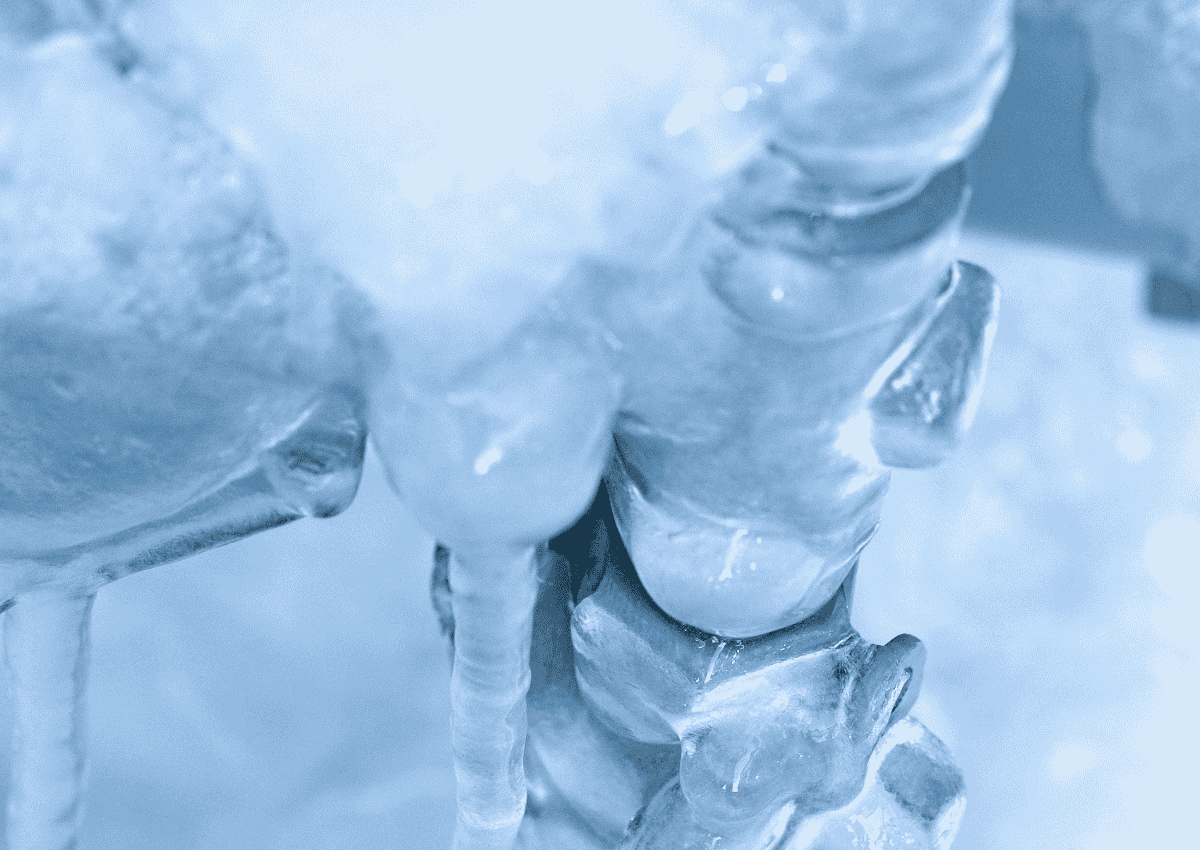
In North Idaho, the first hard freeze often arrives before many homeowners are ready for it. One cold night is all it takes for water in an outdoor faucet, sprinkler line or crawl space pipe to freeze, expand and crack the pipe. And you often won’t know until it thaws and starts leaking.
The best time to protect your plumbing is in the fall, while it’s still mild enough to work outside. This checklist covers the steps that matter most for homes in Hayden, Coeur d’Alene, Post Falls and the Spokane area, from the hose bib on your back wall to the pipes under your floors.
Outdoor Winterizing Checklist
Outdoor plumbing is the first to freeze, so start here.
Disconnect and drain garden hoses
A hose left attached traps water in the faucet. When that water freezes, it can crack the pipe inside your wall, even on a frost-free faucet. Disconnect every hose, drain it and store it in the garage or shed.
Shut off and drain outdoor faucets
Many homes have an indoor shutoff valve for each outdoor faucet (hose bib), usually in a basement, crawl space or utility room. Close that valve, then open the outdoor faucet to let the remaining water drain out. Leave the faucet open for the winter and add an insulated faucet cover for extra protection. If you have frost-free faucets, they still need the hose removed to drain properly.
Winterize your sprinkler system
Underground irrigation lines, valves and the backflow preventer can all crack when water freezes inside them. Shut off the water supply to the system and have the lines drained or blown out before the ground freezes. The backflow device is especially vulnerable because it usually sits above ground.
Check exterior walls and foundation openings
Look for gaps where pipes and wires pass through exterior walls, and seal them with caulk or expanding foam to keep cold air off the pipes inside.
Indoor Winterizing Checklist
Pipes inside the house can freeze too, especially in spaces that aren’t heated.
Protect pipes in crawl spaces, garages and attics
These unheated areas are where most indoor pipes freeze. Wrap exposed pipes with foam pipe insulation, and consider heat cable on lines that have frozen before. Close or cover foundation vents for the winter and make sure crawl space access doors seal tightly. In the garage, keep the main door closed as much as possible when water lines or a water heater are inside.
Watch pipes on exterior walls
Kitchen and bathroom sinks on outside walls are common trouble spots. On the coldest nights, open the cabinet doors under them so warm air can reach the pipes, and let the faucet drip slightly. For more basic prevention tips, see our guide on what to do when pipes freeze.
Find and test your main water shutoff
If a pipe bursts, shutting off the water fast can be the difference between a small cleanup and major water damage. Find your main shutoff valve now, make sure it turns easily, and show everyone in the house where it is. If the valve is stuck or leaking, have a plumber replace it before winter.
Keep the heat on
Keep your thermostat set to at least 55°F day and night, even when you’re away. A furnace that quits during a cold snap can put your pipes at risk quickly, so schedule a furnace tune-up before the season if you haven’t already.
Leaving Home for the Winter? Protect an Empty House or Cabin
Vacant homes, lake cabins and snowbird properties are at the highest risk, because a frozen or burst pipe can run for days before anyone notices. Before you leave:
- Keep the heat on at 55°F or higher, and have someone check the property regularly.
- Shut off the main water supply and drain the lines by opening faucets at the highest and lowest points of the house.
- Consider a smart thermostat and water leak sensors that alert your phone if the temperature drops or water is detected.
- For homes that will sit empty all season, ask a plumber about fully winterizing the plumbing system.
If you’re heading out of town for a while, our post on caring for an HVAC system in your vacation home has more tips for keeping an empty property safe.
Signs a Pipe Has Already Frozen
Even with good preparation, a deep cold snap can catch a vulnerable pipe. Watch for:
- Little or no water coming from a faucet when you turn it on.
- Frost on an exposed pipe or a pipe that looks bulged.
- Odd smells from a drain or faucet.
- Damp drywall, ceiling stains or puddles after temperatures rise.
If you suspect a frozen pipe, keep the faucet open and never use an open flame to thaw it. If a pipe bursts, shut off the main water valve right away and call our emergency plumbing team. Small cracks don’t always show up right away, so if your water bill jumps or you notice damp spots later in the season, schedule leak detection to find hidden leaks before they cause more damage.
Get Your Plumbing Ready for Winter
A little preparation now can save you from a flooded crawl space or a burst pipe in January. If you’d like help, a Trademark plumber can check your home for vulnerable pipes, replace a stuck shutoff valve or fix a leaking outdoor faucet before the first freeze.
Call 208-962-1522 or schedule service online. We offer 24/7 service for homeowners in Hayden, Coeur d’Alene, Post Falls, Spokane and across North Idaho.