Winter brings cozy nights and hot cocoa, but it also comes with risks for your home, like frozen pipes. When water freezes inside a pipe, it expands, often leading to bursts and flooding. Don’t worry: Trademark Heating & Air Conditioning has your back. In this guide, we’ll explain what to do when your pipes freeze, how to prevent it from happening, and when it’s time to call in the pros.
Why Do Pipes Freeze?
Pipes freeze when temperatures drop below 32°F and the water inside them turns to ice. This is especially common in:
- Exposed Areas: Outdoor pipes or those running along exterior walls.
- Unheated Spaces: Basements, attics, crawl spaces, and garages.
- Sudden Cold Snaps: Rapid temperature drops leave pipes vulnerable if they’re uninsulated.
Frozen pipes can lead to ruptures, flooding, and expensive repairs, but acting quickly can save the day.
5 Steps to Take When Pipes Freeze
1. Locate the Problem
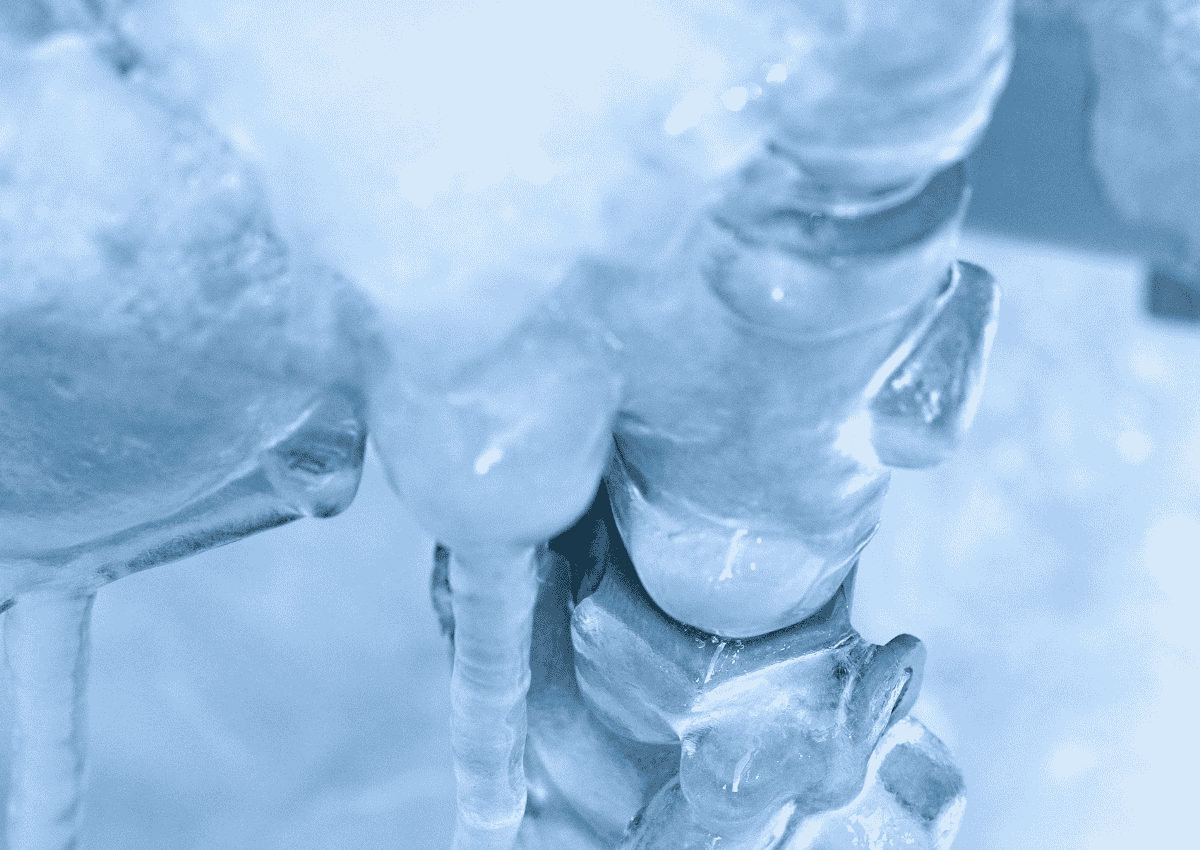
Frozen pipes are easy to spot if there’s frost on the surface, no water flows from your taps, or you hear odd sounds when turning on the faucet. Inspect vulnerable areas like under sinks, in basements, or along exterior walls.
2. Turn Off the Main Water Supply
To prevent flooding in case the pipe bursts, shut off the main water valve. This is a crucial safety measure that can save you from water damage.
3. Open Faucets
Open the faucet connected to the frozen pipe. This reduces pressure and allows melting water to escape safely.
4. Apply Heat Gradually
Avoid rushing the thawing process to prevent pipe damage. Use safe methods like:
- A hairdryer (keep it moving to avoid overheating).
- A heating pad wrapped around the pipe.
- Warm towels soaked in hot water.
- A space heater placed nearby.
Never use an open flame or blowtorch as these can cause fires or further damage to your pipes.
5. Inspect for Damage
Once the pipe thaws, check it for leaks or cracks. Even small damage can escalate into major issues. If you find any problems, call a professional plumber immediately.
How to Prevent Frozen Pipes
1. Insulate Pipes
Wrap pipes in unheated areas with insulation sleeves or foam. For extra protection, consider heat tape or cable.
2. Seal Gaps
Cold air can seep into your home through gaps or cracks near windows, doors, and foundations. Seal these with caulk or weatherstripping.
3. Keep Water Moving
Letting a faucet drip slightly during freezing temperatures prevents water from sitting still, which reduces the risk of freezing.
4. Maintain Indoor Heat
Set your thermostat to a consistent temperature, even at night. Never let it drop below 55°F, especially if you’re leaving home.
5. Drain Outdoor Faucets
Disconnect and drain garden hoses, then cover outdoor faucets with insulated caps.
These proactive steps can save you from the hassle of dealing with frozen pipes altogether.
Why Acting Quickly Matters
Ignoring frozen pipes can have dire consequences. Here’s why acting fast is essential:
- Burst Pipes: A burst pipe can flood your home with hundreds of gallons of water, causing extensive damage.
- Mold Growth: Lingering water encourages mold, which poses health risks and is costly to remove.
- Higher Bills: Leaks from damaged pipes lead to water waste, driving up utility costs.
If you notice a frozen pipe, follow the steps above or call a professional to minimize the impact on your home and wallet.
When to Call Trademark Heating & Air Conditioning
Not all frozen pipe situations can be solved with DIY methods. Call us if:
- You can’t locate the frozen section of the pipe.
- The pipe shows visible cracks or leaks.
- Multiple pipes are frozen.
- Attempts to thaw the pipe aren’t working.
Our team at Trademark Heating & Air Conditioning provides emergency services and preventative solutions to ensure your plumbing system stays functional during even the harshest winters.
Frequently Asked Questions
1. How can I tell if my pipes are frozen?
Signs include reduced water flow, visible frost on pipes, or strange odors from drains.
2. Can I thaw pipes with boiling water?
No, boiling water can shock the pipe, causing cracks. Use warm (not boiling) water-soaked towels or gradual heating methods instead.
3. How long does it take to thaw a frozen pipe?
It depends on the pipe’s size and the method used, but it typically takes 30 minutes to a few hours.
4. What should I do if a pipe bursts?
Turn off your main water supply immediately and call Trademark Heating & Air Conditioning for emergency assistance.
5. Do all frozen pipes burst?
Not always, but the risk increases the longer the pipe stays frozen. Acting quickly is key.
6. How can I prevent frozen pipes while traveling?
Set your thermostat to at least 55°F and consider having a trusted neighbor check your home.
Reach Out to The Guys in the Pink Trucks Today
Frozen pipes are a common winter headache, but with quick action and proper prevention, you can protect your home. Remember, Trademark Heating & Air Conditioning is here to help. From emergency repairs to preventative maintenance, we’re committed to keeping your home safe and functional year-round.